The Effects of Water Damage on a Home;s Foundation: What Every Homeowner Needs to Know
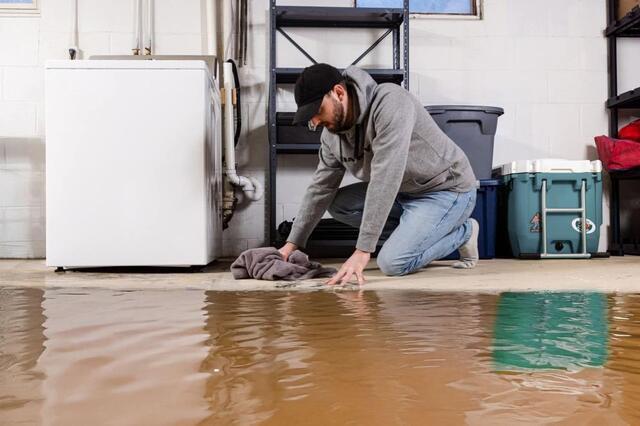
How Water Damages a Home's Foundation
Foundations are designed to support the weight of a house and distribute it evenly into the ground. Water disrupts this stability in several ways:
1. Hydrostatic Pressure: When soil around the foundation becomes oversaturated from heavy rain, poor drainage, or groundwater, it exerts immense lateral pressure on foundation walls. This can cause walls to crack, bow inward, or even collapse over time.
2. Soil Movement: Different soils react differently to water. Expansive clay soils swell significantly when wet and shrink when dry, creating heaving or settling. This uneven movement stresses the foundation, leading to shifts and cracks. Erosion from flowing water can also wash away supporting soil, causing settlement.
3. Water Infiltration and Freeze-Thaw Cycles: Porous materials like concrete or masonry allow water to seep in. In colder climates, this water freezes and expands (by about 9%), widening cracks and causing further damage. Repeated cycles accelerate deterioration.
4. Erosion and Undermining: Persistent water flow can erode soil under footings or slabs, leading to voids and uneven settling. Flooding or standing water exacerbates this quickly.
Damage doesn't happen overnight. Even small, persistent leaks or poor grading can initiate problems that worsen gradually.
Common Signs of Water-Related Foundation Damage
Early detection is key. Look for these indicators inside and outside your home:
• Cracks: Hairline cracks in foundation walls, floors, or exterior brick/siding that widen over time. Vertical cracks often relate to settling; horizontal ones may signal pressure.
• Bowing or Leaning Walls: Basement or crawl space walls pushing inward.
• Uneven or Sloping Floors: Doors and windows that stick or won't close properly; gaps between walls and floors/ceilings.
• Moisture Issues: Efflorescence (white powdery residue) on walls, musty odors, mold growth, or standing water in basements/crawl spaces.
• Exterior Signs: Pooling water around the foundation after rain, tilting chimneys, or cracks in driveways/sidewalks.
If you notice multiple signs, consult a professional foundation inspector promptly.
Long-Term Consequences
Ignoring water damage can lead to:
• Structural Instability: Shifting foundations cause widespread cracking in walls, uneven roofs, and misalignment throughout the house.
• Secondary Damage: Mold, rot in wooden elements, and ruined finishes or belongings.
• Health Risks: Poor indoor air quality from mold and moisture.
• Financial Impact: Repairs can range from thousands to tens of thousands of dollars. Severe cases may require extensive underpinning, wall reinforcement, or waterproofing systems. In extreme scenarios, it affects resale value and safety.
Prevention: Keep Water Away from Your Foundation
The best defense is proactive management:
• Proper Grading: Ensure soil slopes away from the foundation—at least 6 inches over 10 feet.
• Gutters and Downspouts: Keep them clean and extend downspouts at least 5-10 feet away from the house. Consider underground extensions or splash blocks.
• Drainage Solutions: Install French drains, sump pumps (with battery backups), or exterior waterproofing membranes if needed.
• Landscaping and Maintenance: Direct sprinklers away from the house, avoid planting too close to the foundation, and address low spots where water pools.
• Regular Inspections: Check your foundation, crawl space, and basement seasonally, especially after heavy rains or floods.
What to Do If Damage Occurs
Don't attempt major repairs yourself. Hire a qualified structural engineer or foundation repair specialist for assessment. Common solutions include:
• Crack injection or sealing
• Wall anchors or carbon fiber reinforcement for bowing
• Piering or underpinning for settlement
• Interior/exterior drainage systems and waterproofing
Acting quickly can often limit the extent of repairs and costs.
Final Thoughts
Your home's foundation is literally the base everything else rests upon—protecting it from water damage is one of the smartest investments you can make. By understanding the risks, staying vigilant for signs, and maintaining good drainage, you can safeguard your property for years to come.
If you're concerned about your foundation, schedule a professional inspection with Frontline Concrete Solutions sooner rather than later. A small issue today can prevent a major headache tomorrow.
